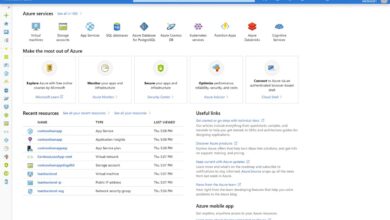
Accessing your cloud resources starts with one crucial step: sign in to Azure portal. Whether you’re a developer, IT admin, or business owner, knowing how to securely and efficiently log in is essential for managing your Microsoft Cloud services.






Understanding the Azure Portal and Why You Need to Sign In

The Azure portal is Microsoft’s web-based interface for managing cloud services, virtual machines, databases, networking, and more. It serves as the central hub for all Azure-related activities. To access this powerful platform, you must first sign in to Azure portal using valid credentials.
What Is the Azure Portal?
The Azure portal (portal.azure.com) is a unified console that allows users to deploy, configure, monitor, and manage Azure resources through a graphical user interface. It supports role-based access control (RBAC), resource grouping, cost management, and integration with other Microsoft services like Office 365 and Dynamics 365.
- It provides real-time monitoring of cloud resources.
- Supports automation via templates and scripts.
- Offers dashboards for custom views of key metrics.
“The Azure portal is the gateway to your cloud infrastructure.” — Microsoft Azure Documentation
Why Signing In Is Essential
Without signing in, you cannot perform any administrative or operational tasks. Whether launching a virtual machine or analyzing logs, authentication is mandatory. The process to sign in to Azure portal ensures that only authorized users can access sensitive data and configurations.
- Enforces identity and access management (IAM).
- Enables audit trails and compliance reporting.
- Protects against unauthorized access and data breaches.
Step-by-Step Guide to Sign In to Azure Portal
Signing in may seem straightforward, but understanding each step helps avoid common pitfalls. Follow this guide to sign in to Azure portal successfully.
Navigate to the Official Azure Portal URL
Always start by visiting the official Microsoft Azure portal at portal.azure.com. Avoid third-party links or search engine ads that may lead to phishing sites.
- Use HTTPS to ensure encrypted communication.
- Bookmark the site for future use.
- Verify the domain name to prevent credential theft.
Enter Your Credentials
On the login page, enter your email address associated with your Azure subscription. This could be:
- A Microsoft account (e.g., outlook.com, hotmail.com).
- An organizational account (e.g., user@company.com managed via Azure AD).
- A work or school account synced from on-premises Active Directory.
After entering your email, click “Next” and input your password. Ensure Caps Lock is off and your keyboard layout is correct.
Complete Multi-Factor Authentication (MFA)
If MFA is enabled—which it should be—you’ll be prompted to verify your identity using a second method:
- Mobile app notification (e.g., Microsoft Authenticator).
- Text message code.
- Phone call verification.
- Hardware security key.
This step significantly enhances security when you sign in to Azure portal, protecting against password-based attacks.
Common Issues When Trying to Sign In to Azure Portal
Even experienced users face login issues. Knowing how to troubleshoot them saves time and reduces frustration when attempting to sign in to Azure portal.
Forgot Password or Locked Account
If you forget your password or get locked out, use the “Forgot password?” link on the sign-in page. The recovery process depends on your account type:
- For Microsoft accounts, recovery options include email, phone, or security questions.
- For organizational accounts, contact your Azure administrator or use self-service password reset (SSPR) if enabled.
Learn more about password recovery at Microsoft Support.
Incorrect Tenant or Directory Selection
Azure supports multiple directories (tenants). If you belong to more than one organization, you might accidentally select the wrong directory during login. This results in access denied errors or missing subscriptions.
- Click your profile icon after login to switch directories.
- Use the directory switcher in the top-right corner of the portal.
- Ensure your account has the correct role assignments in the selected tenant.
Browser Compatibility and Cache Issues
Outdated browsers or corrupted cache can prevent successful login. To resolve:
- Use supported browsers: Chrome, Edge, Firefox, or Safari.
- Clear cookies and site data for portal.azure.com.
- Try an incognito/private browsing window.
- Disable browser extensions that may interfere with authentication.
Check the full list of supported browsers at Microsoft Learn.
Security Best Practices After You Sign In to Azure Portal
Signing in is just the beginning. Once you sign in to Azure portal, it’s critical to follow security best practices to protect your environment.
Enable Multi-Factor Authentication (MFA)
MFA is one of the most effective ways to secure your account. Even if a password is compromised, MFA blocks unauthorized access.
- Admins should enforce MFA for all users via Conditional Access policies.
- Use phishing-resistant methods like FIDO2 security keys where possible.
- Register multiple verification methods as backups.
Learn how to set up MFA at Microsoft’s MFA documentation.
Use Role-Based Access Control (RBAC)
Rather than giving full administrative rights, assign roles based on job responsibilities. This principle of least privilege minimizes risk.
- Common roles: Owner, Contributor, Reader, Virtual Machine Contributor.
- Create custom roles for specific needs.
- Regularly review role assignments to remove unnecessary access.
Monitor Sign-In Activity
Azure Active Directory provides detailed logs of all sign-in attempts. Regularly review these to detect suspicious behavior.
- Access sign-in logs via Azure AD > Monitoring > Sign-in logs.
- Filter by user, app, status, or risk level.
- Set up alerts for failed logins or sign-ins from unusual locations.
For advanced threat detection, integrate with Microsoft Defender for Cloud or Azure Sentinel.
Using Single Sign-On (SSO) to Simplify Access
For enterprises with multiple cloud applications, configuring Single Sign-On (SSO) streamlines the process to sign in to Azure portal and other services.
How SSO Works with Azure AD
Azure Active Directory acts as an identity provider, allowing users to authenticate once and gain access to multiple applications without re-entering credentials.
- Supports SAML, OAuth, OpenID Connect, and password-based SSO.
- Integrates with thousands of pre-integrated apps from the Azure Marketplace.
- Reduces password fatigue and improves user experience.
Configuring SSO for Your Organization
Administrators can set up SSO via the Azure portal:
- Navigate to Azure Active Directory > Enterprise Applications.
- Select an application and configure its SSO settings.
- Upload certificates or configure metadata endpoints as needed.
Detailed setup guides are available at Microsoft Learn – SSO Overview.
Benefits of SSO for Users and Admins
Implementing SSO offers numerous advantages:
- Fewer passwords to remember, reducing helpdesk tickets.
- Improved security through centralized identity management.
- Easier compliance with regulatory standards.
- Faster onboarding and offboarding of employees.
Managing Multiple Subscriptions After Signing In
Many users have access to multiple Azure subscriptions—perhaps for different departments, projects, or clients. After you sign in to Azure portal, managing these effectively is crucial.
Switching Between Subscriptions
In the Azure portal, use the subscription filter at the top of the screen to switch between available subscriptions.
- Click the dropdown next to “Subscriptions” in the top toolbar.
- Select the desired subscription to view its resources.
- All actions will apply only to the currently selected subscription.
Understanding Subscription Roles and Permissions
Your access level varies per subscription. You might be an Owner in one and a Reader in another.
- Check your role assignments under IAM (Identity and Access Management).
- Request elevated permissions from subscription owners if needed.
- Avoid assuming access across all subscriptions.
Using Management Groups for Scalable Governance
For organizations with many subscriptions, Management Groups provide hierarchical organization and policy enforcement.
- Apply policies (e.g., tagging, allowed regions) across multiple subscriptions.
- Delegate access at scale using RBAC.
- Streamline billing and reporting.
Learn more at Azure Management Groups Documentation.
Alternative Ways to Access Azure Beyond the Portal
While the web portal is the most common way to sign in to Azure portal, there are alternative tools and interfaces for automation and scripting.
Azure CLI: Command-Line Power
The Azure Command-Line Interface (CLI) allows you to manage resources from your terminal.
- Install Azure CLI from Microsoft’s official site.
- Run
az loginto authenticate. - Use scripts to automate repetitive tasks.
Azure PowerShell: Scripting for Windows Admins
Azure PowerShell provides cmdlets for managing Azure services using PowerShell scripts.
- Install the Az module via PowerShell Gallery.
- Run
Connect-AzAccountto sign in. - Leverage familiar scripting syntax for automation.
Mobile Access via Azure App
Microsoft offers the Azure app for iOS and Android, allowing you to monitor resources on the go.
- Download from the App Store or Google Play.
- Sign in using the same credentials as the portal.
- Receive alerts, check service health, and manage resources remotely.
Tips for First-Time Users Signing In to Azure Portal
If you’re new to Azure, the portal can feel overwhelming. Here are tips to make your first experience smooth when you sign in to Azure portal.
Familiarize Yourself with the Dashboard
The default dashboard shows recent resources, service health, and quick links. Customize it by pinning frequently used services.
- Click “Edit” to add or remove tiles.
- Save custom layouts for different purposes (e.g., Dev, Prod).
- Use the search bar to quickly find services.
Explore the Help + Support Menu
Located in the top-right corner, this menu offers:
- Service requests for technical support.
- Documentation and tutorials.
- Community forums and live chat (for paid support plans).
Take Advantage of Free Resources
New users often qualify for a free Azure account with $200 in credits and access to popular services for 12 months.
- Visit Azure Free Account to sign up.
- Use the credits to experiment without cost.
- Monitor spending to avoid unexpected charges.
How do I sign in to Azure portal?
To sign in to Azure portal, go to portal.azure.com, enter your email and password, and complete multi-factor authentication if required. Make sure you’re using a supported browser and have internet access.
What should I do if I can’t sign in to Azure portal?
If you can’t sign in, check your internet connection, verify your credentials, clear browser cache, or try a different browser. If the issue persists, reset your password or contact your Azure administrator for help with account recovery.
Can I use the same account to sign in to Azure portal and Office 365?
Yes, if both services are linked to the same Azure Active Directory tenant, you can use the same organizational account to sign in to both Azure portal and Office 365. This is common in enterprise environments.
Is it safe to sign in to Azure portal from public computers?
No, it’s not recommended to sign in to Azure portal from public or shared computers. If necessary, always use private browsing mode and sign out completely afterward. Avoid saving passwords on such devices.
How do I switch between multiple Azure directories?
After signing in, click your profile icon in the top-right corner and select “Switch directory.” Choose the directory you want to access from the list. You must have access to the target directory for it to appear.
Successfully signing in to Azure portal is the first step toward unlocking the full potential of Microsoft’s cloud platform. From secure authentication and multi-factor verification to managing subscriptions and leveraging alternative tools like CLI and PowerShell, understanding the login process empowers you to work efficiently and securely. By following best practices—such as enabling MFA, monitoring sign-in activity, and using role-based access—you protect your cloud environment while maximizing productivity. Whether you’re a beginner or an experienced user, mastering how to sign in and navigate the Azure portal is fundamental to your cloud journey.
Recommended for you 👇
Further Reading: