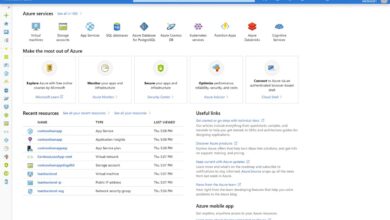
Signing in to Azure doesn’t have to be complicated. Whether you’re a developer, IT admin, or business owner, mastering how to sign in to Azure smoothly is your first step toward unlocking cloud power with confidence and security.






Sign In to Azure: The Essential First Step

Before you can manage virtual machines, deploy apps, or configure security policies, you need to successfully sign in to Azure. This initial step is more than just typing a username and password—it’s the gateway to Microsoft’s vast cloud ecosystem. The Azure portal (portal.azure.com) is your central hub for all cloud activities, and accessing it securely is critical.
What Is the Azure Portal?
The Azure portal is a web-based interface that allows users to manage Azure services through a graphical dashboard. It supports tasks ranging from resource creation to monitoring, billing, and identity management. To access it, you must first sign in to Azure using valid credentials tied to a Microsoft account or an organizational (Azure AD) account.
- The portal is accessible from any modern browser.
- It offers role-based access control (RBAC) for team environments.
- Custom dashboards help streamline workflow and monitoring.
Types of Accounts for Signing In
There are two primary account types used when you sign in to Azure: personal Microsoft accounts and work or school accounts (managed via Azure Active Directory). A personal Microsoft account (like outlook.com or hotmail.com) can be used for individual subscriptions, while organizational accounts are typically used in enterprise settings.
“Access begins with authentication—signing in correctly ensures you’re who you say you are.” — Microsoft Azure Security Guidelines
Understanding which account type applies to your use case is essential for avoiding login errors and permission issues.
How to Sign In to Azure: Step-by-Step Guide
Whether you’re new to Azure or refreshing your knowledge, following a clear process ensures a smooth login experience. Here’s how to sign in to Azure in five simple steps.
Step 1: Navigate to the Azure Portal
Open your preferred web browser and go to portal.azure.com. This is the official entry point for all Azure services. Avoid third-party links to prevent phishing risks.
- Bookmark the site for quick future access.
- Ensure the URL begins with ‘https://’ and shows a padlock icon.
Step 2: Enter Your Credentials
Type in your email address, phone number, or Skype ID associated with your Microsoft or organizational account. After entering your username, click ‘Next’ and input your password. If multi-factor authentication (MFA) is enabled, you’ll be prompted to verify your identity through an app, SMS, or email.
- Use a strong, unique password for your Azure account.
- Enable MFA for enhanced security—highly recommended.
Step 3: Select the Correct Directory (Tenant)
If you belong to multiple organizations or have several Azure subscriptions, you may need to choose the correct directory after signing in. Azure uses the concept of ‘tenants’—each representing a distinct instance of Azure Active Directory. Selecting the right one ensures you see the appropriate resources and permissions.
“Choosing the wrong tenant is one of the most common causes of ‘resource not found’ errors.” — Azure Administrator Forum
You can switch directories later using the directory switcher in the top-right corner of the portal.
Common Issues When Trying to Sign In to Azure
Even experienced users encounter login problems. Knowing the most frequent issues—and how to resolve them—can save time and frustration when you try to sign in to Azure.
Forgot Password or Locked Account
If you can’t remember your password or your account is locked due to multiple failed attempts, use the ‘Forgot password?’ link on the sign-in page. This triggers a recovery process that may involve email verification, security questions, or MFA confirmation.
- Recovery options depend on how your account was set up.
- Organizational accounts may require admin intervention.
For enterprise users, contact your Azure AD administrator if self-service password reset isn’t enabled.
Multi-Factor Authentication (MFA) Failures
MFA is a security best practice, but it can also be a source of login delays. Common MFA issues include expired authentication codes, uninstalled authenticator apps, or lost phones.
- Use backup methods like SMS or email if your primary MFA method fails.
- Register multiple MFA methods during setup for redundancy.
Microsoft Authenticator app users can back up their accounts to the cloud (on supported devices) to prevent lockout.
Browser and Cache Problems
Sometimes, the issue isn’t with your credentials but with your browser. Cached data, outdated cookies, or disabled JavaScript can prevent successful authentication.
- Clear your browser cache and cookies.
- Try an incognito or private browsing window.
- Ensure JavaScript is enabled in your browser settings.
Alternatively, try a different browser (e.g., switch from Chrome to Edge or Firefox) to isolate the problem.
Security Best Practices After You Sign In to Azure
Signing in to Azure is just the beginning. Once authenticated, securing your session and protecting your cloud environment should be top priorities. Cyber threats often target authenticated sessions, so proactive measures are essential.
Enable Multi-Factor Authentication (MFA)
MFA adds an extra layer of security by requiring two or more verification methods—something you know (password), something you have (phone), or something you are (biometrics). Even if a password is compromised, MFA can prevent unauthorized access.
- Enforce MFA for all users, especially admins.
- Use phishing-resistant methods like FIDO2 security keys where possible.
Learn more about MFA setup at Microsoft’s MFA documentation.
Use Conditional Access Policies
Conditional Access in Azure AD allows you to control how and when users can sign in based on specific conditions like location, device compliance, or risk level. For example, you can block logins from high-risk countries or require compliant devices for access.
- Define policies that align with your organization’s security posture.
- Test policies in ‘report-only’ mode before enforcing them.
“Conditional Access turns static authentication into dynamic, context-aware security.” — Microsoft Security Blog
These policies are crucial for zero-trust security models.
Monitor Sign-In Activity
Azure provides detailed logs of all sign-in attempts through Azure AD Sign-In Logs. You can view successful and failed logins, source IPs, and risk levels. Regular monitoring helps detect suspicious behavior early.
- Access logs via Azure portal > Azure Active Directory > Monitoring > Sign-in logs.
- Set up alerts for unusual activity (e.g., logins from new countries).
Integrate with Microsoft Sentinel for advanced threat detection and response.
Using Azure CLI and PowerShell to Sign In to Azure
While the web portal is user-friendly, many professionals prefer command-line tools like Azure CLI and Azure PowerShell for automation and scripting. These tools allow you to sign in to Azure programmatically and manage resources at scale.
Signing In with Azure CLI
The Azure Command-Line Interface (CLI) is a cross-platform tool for managing Azure resources. To sign in, open your terminal and run:
az login
This command opens a browser window where you can authenticate. Once signed in, the CLI stores your credentials securely and allows you to run commands like az group list or az vm create.
- Use
az login --use-device-codeif your device lacks a browser. - Supports service principal and managed identity logins for automation.
For detailed guidance, visit Azure CLI authentication docs.
Signing In with Azure PowerShell
Azure PowerShell is a module that lets you control Azure through PowerShell cmdlets. To sign in, run:
Connect-AzAccount
You’ll be prompted to enter your credentials in a pop-up window. Once authenticated, you can manage subscriptions, deploy templates, and automate workflows.
- Use
Connect-AzAccount -ServicePrincipalfor non-interactive scripts. - Supports context persistence across sessions.
This method is ideal for DevOps pipelines and infrastructure-as-code (IaC) practices.
sign in to azure – Sign in to azure menjadi aspek penting yang dibahas di sini.
Single Sign-On (SSO) and Federated Identity for Azure
For enterprises with existing identity systems, manually signing in to Azure every time isn’t practical. Single Sign-On (SSO) and federated identity solutions streamline access by integrating Azure with on-premises directories like Active Directory.
How Azure AD Connect Enables SSO
Azure AD Connect synchronizes user identities from on-premises Active Directory to Azure AD. Once configured, users can use the same credentials to sign in to Azure and other cloud apps. This reduces password fatigue and improves security through centralized management.
- Supports password hash synchronization and pass-through authentication.
- Enables seamless SSO for hybrid environments.
Download Azure AD Connect from Microsoft’s official site.
Federated Authentication with AD FS
For organizations requiring stricter control over authentication, Active Directory Federation Services (AD FS) allows federated sign-ins. Instead of Microsoft handling authentication, your on-premises AD FS server validates credentials, giving you full control over the login process.
- Useful for compliance-heavy industries (e.g., finance, healthcare).
- Requires additional infrastructure and maintenance.
“Federation puts identity control back in the hands of the enterprise.” — Microsoft Identity Architecture Guide
This approach is ideal for zero-trust architectures where identity verification must remain internal.
Managing Multiple Subscriptions When You Sign In to Azure
Many users have access to multiple Azure subscriptions—perhaps one for development, another for production, and a third for testing. Managing these effectively requires understanding how to switch between them and apply proper access controls.
Understanding Azure Subscriptions and Tenants
A subscription is a billing and resource management boundary in Azure. Each subscription belongs to a single tenant (Azure AD directory), but a tenant can have multiple subscriptions. When you sign in to Azure, you’re authenticated to a tenant, but you must select which subscription to work with.
- Subscriptions are used to separate environments (dev, test, prod).
- They can be assigned to different departments or projects.
Use the subscription filter in the portal to quickly switch contexts.
Role-Based Access Control (RBAC) Across Subscriptions
RBAC allows you to assign granular permissions to users, groups, or service principals. Roles like ‘Contributor’, ‘Reader’, and ‘Owner’ determine what actions a user can perform within a subscription.
- Apply roles at the subscription, resource group, or resource level.
- Use Azure Policy to enforce consistent RBAC assignments.
Regularly audit role assignments to prevent privilege creep.
Using Azure Lighthouse for Cross-Tenant Management
Azure Lighthouse enables service providers and enterprises to manage multiple Azure subscriptions across different tenants from a single portal. This is especially useful for MSPs (Managed Service Providers) who manage cloud infrastructure for multiple clients.
- Eliminates the need to switch between tenants manually.
- Provides centralized monitoring and governance.
Learn more at Azure Lighthouse documentation.
Advanced Tips for Power Users Who Sign In to Azure
For developers, admins, and cloud architects, mastering advanced login techniques can boost productivity and security. These tips go beyond basic sign-in procedures to help you work smarter in Azure.
Using Service Principals for Automation
A service principal is an identity used by applications, services, or automation tools to access Azure resources. Unlike user accounts, service principals don’t require interactive login and can be assigned specific roles.
- Create a service principal using Azure CLI:
az ad sp create-for-rbac. - Store credentials securely in Azure Key Vault.
This method is essential for CI/CD pipelines and automated deployments.
Leveraging Managed Identities
Managed identities eliminate the need to manage credentials for applications running in Azure. When enabled, Azure automatically handles authentication for services like VMs, App Services, and Functions.
- System-assigned identities are tied to a specific resource.
- User-assigned identities can be shared across multiple resources.
This reduces the risk of credential leaks and simplifies identity management.
Customizing the Azure Portal Experience
The Azure portal is highly customizable. After you sign in to Azure, personalize your dashboard by pinning frequently used resources, creating custom views, and setting up quick links.
- Use the ‘Favorites’ menu to organize services.
- Save resource group views for faster navigation.
These small tweaks can significantly improve daily efficiency.
How do I reset my Azure password?
If you’re using a personal Microsoft account, go to the Microsoft account recovery page and follow the prompts. For work or school accounts, use the ‘Forgot password?’ link on the Azure login screen or contact your Azure AD administrator to reset it.
Why can’t I sign in to Azure even with the correct password?
This could be due to several reasons: multi-factor authentication failure, being locked out after too many attempts, using the wrong directory, or browser issues. Try clearing your cache, using a different browser, or checking your MFA method.
Can I sign in to Azure without a GUI?
Yes. You can use Azure CLI or Azure PowerShell to sign in to Azure from the command line. These tools are ideal for automation, scripting, and headless environments.
What is the difference between Azure AD and a Microsoft account?
Azure AD is an enterprise identity service used for organizational accounts, offering features like MFA, conditional access, and directory management. A Microsoft account is a personal account (e.g., @outlook.com) used for consumer services like OneDrive or Xbox.
How do I switch between Azure subscriptions after signing in?
After signing in, click your account name in the top-right corner, then select ‘Switch directory’ or use the subscription filter in the portal’s top navigation bar to change your active subscription.
Signing in to Azure is the essential first step in your cloud journey. From basic web portal access to advanced automation with CLI and service principals, understanding the full spectrum of login methods and security practices empowers you to use Azure efficiently and safely. Whether you’re an individual developer or part of a large enterprise, mastering authentication ensures you maintain control, security, and productivity in Microsoft’s cloud environment.
sign in to azure – Sign in to azure menjadi aspek penting yang dibahas di sini.
Recommended for you 👇
Further Reading: