Logging into Azure doesn’t have to be complicated. Whether you’re a developer, IT admin, or business user, mastering the azure log in process is your first step toward seamless cloud management. Let’s break it down—simply, securely, and smartly.






Understanding Azure Log In: The Gateway to Microsoft Cloud

The azure log in process is your entry point to one of the world’s most powerful cloud platforms. From managing virtual machines to deploying AI models, everything starts with authentication. Microsoft Azure supports multiple identity systems, but the most common method today uses Azure Active Directory (Azure AD).
What Is Azure Active Directory (Azure AD)?
Azure AD is Microsoft’s cloud-based identity and access management service. It’s not the same as traditional on-premises Active Directory, though they can be synchronized. Azure AD manages user identities, enforces security policies, and enables single sign-on (SSO) across thousands of cloud apps.
- Azure AD authenticates users during the azure log in process.
- It supports multi-factor authentication (MFA) for enhanced security.
- It integrates with third-party apps like Salesforce, Dropbox, and Slack.
Types of Azure Accounts
Not all azure log in experiences are the same. The type of account you use determines your access level and features:
- Work or School Account: Provided by an organization using Microsoft 365 or Azure. Most common for enterprise users.
- Microsoft Account (MSA): Personal accounts like outlook.com, hotmail.com, or live.com. Often used for individual Azure subscriptions.
- Guest User: External collaborators invited via B2B collaboration.
“Your identity is the new perimeter. Azure AD ensures that only verified users get past the gate.” — Microsoft Security Whitepaper
Step-by-Step Guide to Azure Log In
Whether you’re accessing the Azure portal, CLI, or PowerShell, the azure log in flow follows a consistent pattern. Here’s how to do it correctly and securely.
Logging In via the Azure Portal
The Azure portal (portal.azure.com) is the primary web interface for managing Azure resources. To perform an azure log in here:
- Go to portal.azure.com.
- Enter your email address (work, school, or Microsoft account).
- Enter your password.
- If enabled, complete multi-factor authentication (MFA).
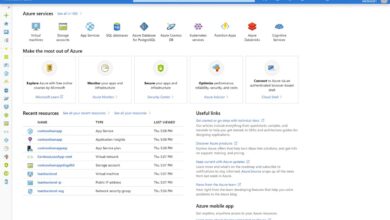
- Upon success, you’ll land on the Azure dashboard.
Tips: Use a password manager to store credentials securely. Avoid public computers for azure log in unless absolutely necessary.
Using Azure CLI for Login
For developers and DevOps engineers, the Azure Command-Line Interface (CLI) offers a powerful way to interact with Azure. The azure log in via CLI is straightforward:
- Install Azure CLI from Microsoft’s official site.
- Open your terminal or command prompt.
- Run
az login. - A browser window will open prompting you to authenticate.
- After successful azure log in, the CLI lists your subscriptions.
If you have multiple subscriptions, set the default with: az account set --subscription "Subscription Name".
PowerShell and Azure AD Module Login
PowerShell is another essential tool for automation. To perform azure log in using PowerShell:
- Install the
Azmodule:Install-Module -Name Az. - Run
Connect-AzAccount. - Sign in with your credentials in the pop-up window.
- Verify login with
Get-AzSubscription.
This method is ideal for scripting and scheduled tasks. Use service principals for non-interactive logins in production environments.
Common Azure Log In Issues and How to Fix Them
Even experienced users face hurdles during azure log in. Let’s explore the most frequent problems and their solutions.
Forgot Password or Locked Account
One of the top reasons for failed azure log in attempts is a forgotten password or account lockout.
- If using a work/school account, reset your password via Self-Service Password Reset (SSPR).
- Admins can reset passwords in the Azure portal under Azure Active Directory > Users.
- Ensure the account isn’t locked due to too many failed attempts—wait 30 minutes or contact admin.
MFA Prompt Not Working
Multi-factor authentication (MFA) is critical for security, but it can fail.
- Check if your authenticator app is synced correctly.
- Ensure your phone has internet or cellular service for SMS-based MFA.
- Try alternative methods like phone call or FIDO2 security key.
- If stuck, contact your Azure administrator to approve a temporary bypass (if policy allows).
Subscription Access Denied
You might successfully azure log in but see no resources. This usually means insufficient permissions.
- Verify your role assignment (e.g., Contributor, Reader) in Azure RBAC.
- Check if you’re in the correct directory (tenant) using the directory switcher in the portal.
- Ask your admin to assign the necessary role via Access Control (IAM).
“Access without authorization is like a key that fits the lock but doesn’t open the right room.” — Azure Security Best Practices
Enhancing Security During Azure Log In
Security should never be an afterthought. Every azure log in is a potential attack vector. Here’s how to lock it down.
Enable Multi-Factor Authentication (MFA)
MFA adds a second layer of verification beyond passwords. It’s one of the most effective ways to prevent unauthorized access.
- Go to Azure AD > Security > Multi-Factor Authentication.
- Enable MFA for users or use Conditional Access policies for broader enforcement.
- Supports authenticator apps, SMS, voice calls, and hardware tokens.
According to Microsoft, MFA blocks over 99.9% of account compromise attacks.
Use Conditional Access Policies
Conditional Access is a core feature of Azure AD that allows you to enforce access controls based on specific conditions.
- Require MFA when logging in from untrusted locations.
- Block access from certain countries or IP ranges.
- Enforce device compliance (e.g., only allow login from managed devices).
Example policy: “Require MFA for all users accessing Azure portal from outside the corporate network.” Learn more at Microsoft’s Conditional Access documentation.
Implement Passwordless Authentication
The future of azure log in is passwordless. Microsoft supports several passwordless methods:
- Microsoft Authenticator App: Push notification or biometric verification.
- Windows Hello for Business: PIN or facial recognition on Windows devices.
- FIDO2 Security Keys: Physical USB or NFC keys like YubiKey.
- Passkeys: Biometric credentials stored on devices and synced via cloud.
Passwordless reduces phishing risks and improves user experience. Organizations adopting passwordless report a 44% drop in helpdesk calls related to password resets.
Azure Log In for Organizations: Managing User Access
In enterprise environments, azure log in isn’t just about individuals—it’s about governance, compliance, and scalability.
Role-Based Access Control (RBAC)
Azure RBAC allows fine-grained control over who can do what in your environment.
- Owner: Full access, including permission management.
- Contributor: Can create and manage resources but not assign roles.
- Reader: View-only access.
- Custom roles can be created for specific needs.
Always follow the principle of least privilege—grant only the access needed.
Single Sign-On (SSO) Integration
SSO simplifies the azure log in experience by allowing users to access multiple apps with one set of credentials.
- Configure SSO via Azure AD for SaaS apps like Zoom, Adobe, or ServiceNow.
- Supports SAML, OAuth, OpenID Connect, and password-based SSO.
- Reduces password fatigue and improves security posture.
Learn how to set up SSO at Azure AD App Management.
Guest User Access and B2B Collaboration
Organizations often need to grant azure log in access to external partners.
- Invite guest users via email through the Azure portal.
- Guests sign in using their own identity provider (e.g., their company’s Azure AD).
- Admins can control guest permissions and monitor activity.
Best practice: Assign guests to specific resource groups with limited roles and set expiration dates on invitations.
Advanced Azure Log In Methods: Service Principals and Managed Identities
Not all azure log in is done by humans. Applications and services need secure, automated access too.
What Are Service Principals?
A service principal is an identity created for an application or service to access Azure resources programmatically.
- Created in Azure AD and associated with an application.
- Used for non-interactive scenarios like CI/CD pipelines or background services.
- Assigned roles via RBAC for least privilege access.
To create one: Use Azure CLI with az ad sp create-for-rbac or the portal under Azure AD > App registrations.
Managed Identities: The Safer Alternative
Managed identities eliminate the need to manage credentials for service principals.
- System-assigned: Tied to a specific Azure resource (e.g., VM, App Service).
- User-assigned: Standalone identity that can be assigned to multiple resources.
- Automatically handled by Azure—no secrets to rotate or store.
Example: A web app using a managed identity can securely access an Azure Key Vault without hardcoded credentials. Learn more at Azure Managed Identities.
Using Azure AD App Registrations
Before a service principal can be used, the app must be registered in Azure AD.
- Go to Azure Active Directory > App registrations > New registration.
- Define the application name, supported account types, and redirect URI.
- After registration, configure API permissions and grant admin consent.
This is essential for apps using Microsoft Graph or custom APIs protected by Azure AD.
Best Practices for a Smooth and Secure Azure Log In Experience
Optimizing your azure log in process isn’t just about access—it’s about security, efficiency, and user satisfaction.
Regularly Audit User Access
Over time, users accumulate permissions they no longer need. Conduct regular access reviews.
- Use Azure AD Access Reviews to periodically validate user access.
- Automate deprovisioning for former employees.
- Monitor sign-in logs for suspicious activity.
Monitor Sign-In Logs and Activity
Azure provides detailed logs of every azure log in attempt.
- Go to Azure AD > Sign-in logs to view success/failure events.
- Filter by user, app, IP address, or status.
- Set up alerts for failed logins or logins from unusual locations.
These logs are crucial for forensic analysis and compliance reporting.
Educate Users on Phishing and Social Engineering
Even the most secure azure log in system can be compromised by human error.
- Train users to recognize fake login pages.
- Encourage reporting of suspicious emails.
- Use Azure AD Identity Protection to detect risky sign-ins.
Microsoft reports that 91% of cyberattacks start with a phishing email—education is your first line of defense.
How do I reset my Azure login password?
If you’re using a work or school account, visit passwordreset.microsoftonline.com to reset your password using Self-Service Password Reset (SSPR). If you’re using a Microsoft account (personal), go to account.live.com/password/reset. Admins can also reset passwords in the Azure portal under Users.
Why can’t I log in to Azure even with correct credentials?
This could be due to several reasons: your account may be locked, MFA might be misconfigured, you could be in the wrong directory (tenant), or your subscription access may have been revoked. Check the Azure sign-in logs for error details and contact your administrator if needed.
What is the difference between Azure AD and a Microsoft Account?
Azure AD is an enterprise identity service used by organizations for managing users, apps, and security policies. A Microsoft Account (MSA) is a personal account (e.g., @outlook.com) used for consumer services like Xbox or OneDrive. While both can be used for azure log in, Azure AD offers advanced management features for businesses.
Can I use single sign-on (SSO) for Azure?
Yes, Azure supports SSO through Azure AD. You can configure SSO for thousands of SaaS apps or custom applications using protocols like SAML, OAuth, or OpenID Connect. This allows users to log in once and access multiple services without re-entering credentials.
How do I enable passwordless login for Azure?
Go to Azure AD > Security > Authentication methods, and enable passwordless options like the Microsoft Authenticator app, FIDO2 security keys, or Windows Hello. Users can then register their devices and sign in without a password.
Mastering the azure log in process is essential for anyone using Microsoft’s cloud platform. From basic portal access to advanced service principals, every login should be secure, efficient, and well-managed. By following best practices—like enabling MFA, using Conditional Access, auditing access, and adopting passwordless authentication—you protect your organization while improving user experience. Whether you’re an admin, developer, or end user, a solid understanding of azure log in mechanisms empowers you to make the most of Azure’s powerful capabilities.
Recommended for you 👇
Further Reading: