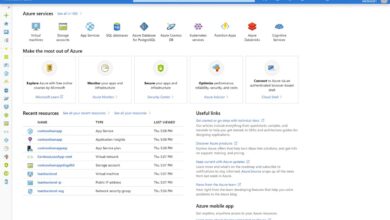
Welcome to the future of cloud-powered innovation—where azure apps are reshaping how businesses build, deploy, and scale digital solutions. Whether you’re a developer, startup founder, or enterprise architect, understanding Azure apps unlocks unmatched agility, security, and global reach. Let’s dive into everything you need to know.






What Are Azure Apps and Why They Matter

At the heart of Microsoft’s cloud ecosystem lies azure apps—a broad term encompassing applications built, hosted, or managed using Microsoft Azure’s comprehensive suite of cloud services. These apps range from simple web applications to complex, AI-driven enterprise systems that scale globally in seconds.
Defining Azure Apps in Modern Cloud Architecture
Azure apps aren’t just websites on a server. They represent a new paradigm in software development: cloud-native, microservices-based, and highly automated. Built using Azure App Service, Azure Functions, or Kubernetes (AKS), these applications leverage cloud elasticity to handle traffic spikes, ensure high availability, and reduce operational overhead.
- Azure apps can be web apps, mobile backends, APIs, or serverless functions.
- They integrate seamlessly with Azure Active Directory, DevOps pipelines, and monitoring tools.
- Developers can deploy apps using code, containers, or infrastructure-as-code (IaC) via Terraform or ARM templates.
“Azure isn’t just a cloud platform—it’s a developer’s playground for innovation.” — Microsoft Azure Team
Key Components Behind Azure Apps
Understanding the building blocks of azure apps is crucial. These include:
- Azure App Service: A fully managed platform for building web and mobile apps. Supports .NET, Java, Node.js, Python, and PHP. Learn more at Microsoft Learn.
- Azure Functions: A serverless compute service that runs code in response to events without managing infrastructure.
- Azure Kubernetes Service (AKS): For containerized apps requiring orchestration at scale.
- Azure Logic Apps: Automate workflows by connecting apps, data, and services across the enterprise.
Together, these services form the backbone of modern azure apps, enabling rapid development and deployment.
Top 7 Benefits of Building Azure Apps
Why choose Azure for your next application? The answer lies in its powerful advantages that outshine competitors like AWS and Google Cloud in specific enterprise and hybrid scenarios.
1. Unmatched Scalability and Performance
Azure apps automatically scale based on demand. Whether you’re serving 10 users or 10 million, Azure’s global network of data centers ensures low latency and high throughput.
- Auto-scaling rules can be set based on CPU, memory, or custom metrics.
- Premium plans offer up to 100 instances per app, with cold start times under 500ms.
- Integration with Azure Content Delivery Network (CDN) accelerates static content delivery worldwide.
This elasticity makes azure apps ideal for seasonal businesses, SaaS platforms, and media streaming services.
2. Enterprise-Grade Security and Compliance
Security is not an afterthought in azure apps—it’s built-in. Microsoft invests over $1 billion annually in cybersecurity and operates one of the most compliant cloud platforms globally.
- Azure apps benefit from Azure Security Center, which provides threat detection and vulnerability assessments.
- Compliance certifications include GDPR, HIPAA, ISO 27001, SOC 1/2, and FedRAMP.
- Private endpoints and virtual networks isolate apps from public internet exposure.
“Over 95% of Fortune 500 companies trust Microsoft Azure for their critical workloads.” — Microsoft Annual Report
3. Seamless Integration with Microsoft Ecosystem
If your organization uses Microsoft 365, Dynamics 365, or Power Platform, azure apps integrate effortlessly. This synergy reduces development time and enhances productivity.
- Single Sign-On (SSO) via Azure AD simplifies user authentication.
- Power Automate can trigger azure apps based on email, Excel changes, or Teams messages.
- Dynamics 365 extensions can be hosted as azure apps for custom business logic.
This tight integration is a game-changer for enterprises already invested in Microsoft technologies.
How to Build Your First Azure App: Step-by-Step Guide
Ready to create your first azure app? Follow this practical guide to deploy a web application using Azure App Service.
Step 1: Set Up Your Azure Account
Start with a free Azure account, which includes $200 in credits and access to over 25 services for 12 months.
- Visit Azure Free Account and sign up with your email.
- Verify your identity and payment method (no charges unless you upgrade).
- Access the Azure Portal at portal.azure.com.
Step 2: Create an App Service
Navigate to the Azure Portal and follow these steps:
- Click Create a resource > Web > Web App.
- Choose a unique app name (e.g.,
myfirstazureapp). - Select your subscription and create a new resource group (e.g.,
rg-azureapps-demo). - Pick a runtime stack (e.g., .NET 6, Node.js 18).
- Choose a region close to your users (e.g., East US, West Europe).
- Select a pricing tier (start with Free F1 for testing).
Deployment takes 2–5 minutes. Once complete, your azure app is live at https://yourappname.azurewebsites.net.
Step 3: Deploy Your Code
You can deploy code via GitHub, local Git, FTP, or Azure DevOps.
- In the App Service blade, go to Deployment Center.
- Connect to a GitHub repository containing your web app (HTML, React, or ASP.NET).
- Enable continuous deployment—every
git pushtriggers an automatic update.
Your azure app now updates in real-time with every code change—perfect for agile teams.
Azure Apps vs. AWS vs. Google Cloud: A Comparative Analysis
While AWS leads in market share, azure apps offer distinct advantages, especially for hybrid and enterprise environments.
Performance and Latency Comparison
Azure operates 60+ regions globally—more than any other cloud provider. This geographic reach reduces latency for users in Europe, Asia, and North America.
- Azure’s Proximity Placement Groups reduce network latency between VMs and apps.
- Google Cloud excels in AI/ML performance, but Azure matches it with Azure Machine Learning.
- AWS Lambda leads in serverless speed, but Azure Functions now offer similar cold start improvements.
For organizations with data residency requirements, azure apps provide more localized deployment options.
Hybrid Cloud Capabilities
This is where azure apps truly shine. Azure Arc and Azure Stack allow you to run azure apps on-premises, in multi-cloud, or at the edge.
- Azure Arc extends Azure management to AWS, GCP, and on-prem servers.
- Azure Stack HCI brings Azure services to your data center.
- You can deploy azure apps in a hybrid model—some components in the cloud, others on-prem.
“Hybrid cloud is not a compromise—it’s a strategic advantage.” — Scott Guthrie, EVP, Microsoft Cloud & AI
No other cloud provider offers this level of hybrid flexibility, making azure apps ideal for regulated industries like finance and healthcare.
Pricing and Cost Management
Azure offers competitive pricing with several cost-saving options:
- Reserved Instances: Save up to 72% on VMs with 1- or 3-year commitments.
- Spot Instances: Use unused capacity for non-critical azure apps at up to 90% discount.
- Azure Cost Management: Track spending, set budgets, and get optimization recommendations.
While AWS has a more mature pricing model, Azure’s integration with Microsoft licensing (e.g., Windows Server, SQL Server) often results in lower TCO for enterprises.
Advanced Features of Azure Apps for Developers
Modern azure apps go beyond basic hosting. They leverage advanced features to improve performance, security, and developer experience.
Serverless Computing with Azure Functions
Azure Functions allows you to run event-driven code without managing servers. Perfect for microservices, background tasks, or API endpoints.
- Triggers include HTTP requests, timers, blob storage changes, or queue messages.
- Supports C#, JavaScript, Python, Java, and PowerShell.
- Pricing is consumption-based—you only pay for execution time.
Example: Use Azure Functions to process image uploads in real-time, resizing them and storing in Azure Blob Storage.
Containerization with Azure Kubernetes Service (AKS)
For complex, scalable azure apps, AKS provides managed Kubernetes clusters.
- Deploy containerized apps using Docker and Kubernetes manifests.
- AKS handles node provisioning, upgrades, and scaling.
- Integrate with Azure Monitor for containers to track performance and logs.
Use case: A fintech company runs its trading platform on AKS, scaling to 1,000 pods during market hours.
CI/CD Pipelines with Azure DevOps
Automate the entire lifecycle of azure apps using Azure DevOps.
- Create build pipelines that compile code, run tests, and generate artifacts.
- Set up release pipelines to deploy to staging and production environments.
- Integrate with GitHub, Jenkins, or Bitbucket.
This ensures consistent, reliable deployments—critical for agile and DevOps teams.
Security Best Practices for Azure Apps
Even the most powerful azure apps are vulnerable without proper security. Follow these best practices to protect your applications.
Implement Role-Based Access Control (RBAC)
Limit access to azure apps using Azure’s RBAC model.
- Assign roles like Reader, Contributor, or Owner at the resource, group, or subscription level.
- Create custom roles for granular permissions (e.g., “App Deployer” with deploy-only rights).
- Regularly audit access using Azure AD Privileged Identity Management (PIM).
Enable Application Gateway and Web Application Firewall (WAF)
Protect azure apps from common threats like SQL injection, XSS, and DDoS attacks.
- Deploy Azure Application Gateway with WAF in prevention mode.
- Use custom rules to block malicious IPs or traffic patterns.
- Integrate with Azure Front Door for global load balancing and DDoS protection.
“Security is everyone’s job. In Azure, we make it easier to do the right thing.” — Microsoft Security Team
Secure Data with Encryption and Managed Identities
Never store secrets in code. Use Azure Key Vault and Managed Identities.
- Store API keys, connection strings, and certificates in Azure Key Vault.
- Use Managed Identities to grant azure apps automatic access to Key Vault, Storage, or SQL DB—no passwords needed.
- Enable encryption at rest (using Azure Storage Service Encryption) and in transit (TLS 1.3).
These practices minimize the risk of data breaches and simplify compliance audits.
Real-World Use Cases of Azure Apps
From startups to Fortune 500s, organizations are leveraging azure apps to solve real business challenges.
Healthcare: Secure Patient Portals
A U.S. hospital network built a patient portal using azure apps to comply with HIPAA.
- Frontend: React app hosted on Azure Static Web Apps.
- Backend: .NET API on Azure App Service with private endpoint.
- Data: Encrypted SQL Database with Always Encrypted feature.
- Authentication: Azure AD B2C for patient and doctor logins.
The system handles 50,000+ users daily with zero downtime.
Retail: Scalable E-Commerce Platform
A global fashion brand uses azure apps to handle Black Friday traffic spikes.
- Website: Hosted on Azure App Service with auto-scaling to 50 instances.
- Inventory: Real-time updates via Azure Functions triggered by Azure Service Bus.
- Payments: Integrated with Stripe and Azure API Management for secure transactions.
- Analytics: User behavior tracked with Azure Application Insights.
During peak sales, the platform processed over 10,000 orders per minute.
Manufacturing: IoT-Driven Predictive Maintenance
An industrial equipment manufacturer deployed azure apps to monitor machines in real-time.
- Sensors send data to Azure IoT Hub.
- Azure Stream Analytics processes telemetry and detects anomalies.
- Azure Functions trigger maintenance alerts and update a Power BI dashboard.
- All logic hosted as serverless azure apps for low operational cost.
This reduced unplanned downtime by 40% and saved $2M annually.
Future Trends Shaping Azure Apps
The landscape of azure apps is evolving rapidly, driven by AI, edge computing, and low-code platforms.
AI-Powered Development with GitHub Copilot and Azure AI
Microsoft is integrating AI deeply into the azure apps development lifecycle.
- GitHub Copilot suggests code in real-time, reducing boilerplate.
- Azure OpenAI Service allows apps to use GPT models for chatbots, content generation, and analysis.
- AI-driven testing tools predict bugs before deployment.
Soon, developers may describe a feature in plain English, and azure apps will generate the code automatically.
Edge Computing with Azure IoT Edge
As latency-sensitive applications grow, azure apps are moving closer to users and devices.
- Azure IoT Edge runs containerized azure apps on edge devices (e.g., factory machines, retail kiosks).
- Process data locally, then sync to the cloud when needed.
- Use cases: Real-time video analytics, autonomous robots, smart cities.
This reduces bandwidth costs and improves response times for mission-critical systems.
Low-Code and Citizen Development
Power Apps and Logic Apps empower non-developers to build azure apps.
- Business analysts create forms, workflows, and dashboards without writing code.
- These apps integrate with SharePoint, Excel, and Dynamics 365.
- IT retains control via governance policies and approval workflows.
This accelerates digital transformation while reducing the burden on development teams.
What are azure apps used for?
Azure apps are used to build, host, and manage web, mobile, API, and serverless applications on Microsoft Azure. They enable scalable, secure, and globally available solutions for businesses of all sizes.
How much does it cost to run an azure app?
Costs vary based on service and usage. Azure App Service starts free (F1 tier), while production apps may cost $50–$500/month. Additional services like databases or CDN incur separate fees. Use the Azure Pricing Calculator for accurate estimates.
Can I deploy a React app as an azure app?
Yes. You can deploy a React app to Azure Static Web Apps or Azure App Service. Static Web Apps offers free SSL, CI/CD, and global CDN—ideal for React, Angular, or Vue apps.
Is Azure better than AWS for apps?
It depends. Azure excels in hybrid cloud, enterprise integration, and Microsoft ecosystem synergy. AWS leads in breadth of services and global reach. For .NET or Windows-based apps, Azure is often the better choice.
How do I secure my azure app?
Use Azure AD for authentication, Application Gateway with WAF for protection, Key Vault for secrets, and RBAC for access control. Enable logging and monitoring via Azure Monitor to detect threats early.
From defining what azure apps are to exploring real-world implementations and future trends, this guide has covered the full spectrum. Azure apps are not just a technology—they’re a strategic advantage. With unmatched scalability, security, and integration, they empower developers and enterprises to innovate faster and smarter. Whether you’re building a simple website or a global AI platform, Azure provides the tools to succeed. Start small, think big, and let azure apps power your digital future.
Recommended for you 👇
Further Reading: