Accessing the Azure login portal doesn’t have to be complicated. Whether you’re a cloud novice or an experienced admin, mastering secure and efficient login processes is essential for productivity and protection. Let’s dive into everything you need to know.




Azure Login Portal: What It Is and Why It Matters

The Azure login portal is the primary gateway to Microsoft Azure’s cloud ecosystem. It allows users to manage virtual machines, storage, networking, and a vast array of cloud services through a unified web interface. Understanding its role is the first step toward effective cloud management.
Understanding the Azure Portal Interface
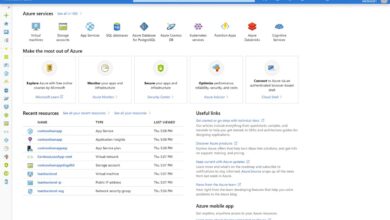
When you access the Azure portal, you’re greeted with a customizable dashboard. This interface is designed for ease of navigation, allowing users to pin frequently used services, monitor resource health, and launch new deployments with just a few clicks.
- The left-hand navigation pane provides quick access to all Azure services.
- The top bar includes search, notifications, and user settings.
- Custom dashboards help streamline workflows for different roles like developers, admins, and analysts.
“The Azure portal is not just a dashboard—it’s your command center for the cloud.” — Microsoft Azure Documentation
Key Features of the Azure Login Portal
The Azure login portal offers more than just access. It integrates monitoring, automation, security, and billing tools into one cohesive environment. Key features include:
- Role-Based Access Control (RBAC) for fine-grained permissions.
- Multi-factor authentication (MFA) enforcement for enhanced security.
- Real-time monitoring via Azure Monitor and Log Analytics.
- Integration with Microsoft 365, GitHub, and DevOps pipelines.
These capabilities make the Azure login portal indispensable for enterprise cloud operations.
How to Access the Azure Login Portal
Getting into the Azure login portal is straightforward, but knowing the correct methods ensures you avoid common pitfalls. Whether you’re logging in for the first time or managing multiple accounts, the process should be smooth and secure.
Step-by-Step Login Process
To access the Azure login portal, follow these steps:
- Open your preferred browser and navigate to https://portal.azure.com.
- Enter your email address associated with your Azure subscription.
- Input your password and complete any additional authentication steps (e.g., MFA).
- Upon successful verification, you’ll be redirected to your personalized Azure dashboard.
For organizations using Azure Active Directory (Azure AD), the login may redirect to a corporate identity provider for single sign-on (SSO).
Common Login Issues and Fixes
Users often face login issues due to incorrect credentials, expired passwords, or browser compatibility. Here are some frequent problems and solutions:
- Forgot Password? Use the “Can’t access your account?” link to reset it via email or phone.
- Account Locked? Wait 30 minutes or contact your Azure administrator to unlock it.
- MFA Not Working? Ensure your authenticator app is synced or use backup codes.
- Browser Errors? Clear cache, disable extensions, or try in private/incognito mode.
Microsoft’s troubleshooting guide offers detailed diagnostics for persistent issues.
Security Best Practices for Azure Login Portal Access
Security is paramount when dealing with cloud infrastructure. The Azure login portal is a high-value target for attackers, making it critical to implement robust security measures from the start.
Enable Multi-Factor Authentication (MFA)
MFA adds an extra layer of protection by requiring a second form of verification—such as a phone call, text, or authenticator app code—during login. This drastically reduces the risk of unauthorized access, even if passwords are compromised.
- Admins should enforce MFA for all users via Azure AD Conditional Access policies.
- Use the Microsoft Authenticator app for push notifications and time-based codes.
- Register multiple MFA methods to avoid lockout scenarios.
According to Microsoft, accounts with MFA are over 99.9% less likely to be compromised.
Implement Conditional Access Policies
Conditional Access in Azure AD allows organizations to define rules that control how and when users can access the Azure login portal. These policies can be based on:
- User location (block logins from high-risk countries).
- Device compliance (require Intune-managed devices).
- Sign-in risk level (detected by Azure AD Identity Protection).
- Application sensitivity (require MFA for admin portals).
For example, a policy can block access if a user attempts to log in from an unfamiliar device or an anonymous IP address.
“Conditional Access is the cornerstone of Zero Trust security in Azure.” — Microsoft Security Blog
Managing Multiple Accounts and Subscriptions in Azure
Many professionals manage multiple Azure accounts—personal, work, client, or partner subscriptions. Navigating between them efficiently is crucial for productivity and avoiding costly mistakes.
Switching Between Azure Directories and Tenants
When you have access to multiple Azure AD tenants, you can switch between them directly in the portal:
- Click your profile icon in the top-right corner.
- Select “Switch directory” from the dropdown.
- Choose the desired tenant from the list.
This feature is especially useful for consultants or IT teams managing environments across different organizations.
Using Azure Subscription Filters and Tags
To manage multiple subscriptions effectively, use filters and tags:
- Apply business-unit or project-based tags (e.g., “Finance-Prod”, “Dev-Test”).
- Use the subscription filter in the portal to display only relevant resources.
- Set up cost alerts and budgets per subscription to monitor spending.
Tags also enable automation and governance through Azure Policy and Resource Graph queries.
Customizing Your Azure Portal Experience
The Azure login portal is highly customizable, allowing users to tailor the interface to their workflow. A well-organized dashboard can save time and reduce errors.
Creating Personalized Dashboards
You can create custom dashboards to display only the information you need:
- Navigate to the Azure portal and click “Dashboard” in the left menu.
- Select “New dashboard” or edit an existing one.
- Add tiles for VMs, storage accounts, or custom metrics.
- Arrange tiles by dragging and resizing them.
- Save and share dashboards with team members if needed.
Dashboards support live data, so you can monitor CPU usage, network traffic, or application logs in real time.
Saving Frequently Used Views and Filters
To speed up daily tasks, save common views:
- Use the “Pinned resources” feature to bookmark critical VMs or databases.
- Create filtered resource groups for specific projects.
- Save queries in Azure Monitor or Log Analytics for quick access.
These shortcuts reduce navigation time and improve operational efficiency.
Using Azure CLI and PowerShell Alongside the Portal
While the Azure login portal provides a graphical interface, command-line tools like Azure CLI and PowerShell offer automation and scripting capabilities that are essential for advanced users.
Logging In via Azure CLI
To use Azure CLI, first install it from the official site. Then run:
az login
This command opens a browser window where you can authenticate through the Azure login portal. Once logged in, you can manage resources using CLI commands.
- Use
az account listto view available subscriptions. - Switch subscriptions with
az account set --subscription "Subscription Name". - Automate deployments with scripts using
az group createandaz vm create.
PowerShell Integration with Azure
Azure PowerShell is another powerful tool for automation. Install the Az module and authenticate:
Connect-AzAccount
This cmdlet prompts you to log in via the Azure login portal. After authentication:
- Use
Get-AzVMto list virtual machines. - Deploy templates with
New-AzResourceGroupDeployment. - Schedule recurring tasks using Windows Task Scheduler or Azure Automation.
Combining portal use with CLI/PowerShell maximizes flexibility and control.
Advanced Authentication Methods for Azure Login Portal
Beyond passwords and MFA, Azure supports advanced authentication methods that enhance both security and user experience.
Passwordless Authentication Options
Azure supports passwordless login methods, including:
- FIDO2 Security Keys: Physical devices like YubiKey that use public-key cryptography.
- Windows Hello for Business: Biometric or PIN-based login on Windows devices.
- Microsoft Authenticator App: Push notifications for approval without entering a password.
These methods eliminate the risks associated with password theft and phishing.
Single Sign-On (SSO) and Federation
Organizations can integrate Azure AD with on-premises identity providers like Active Directory Federation Services (AD FS) or third-party SSO solutions (e.g., Okta, Ping Identity).
- Users log in once to their corporate network and gain access to Azure and other cloud apps.
- SSO reduces password fatigue and improves compliance.
- Federation enables centralized control over access policies.
Configuring SSO requires proper setup of domain verification and trust relationships in Azure AD.
Troubleshooting and Support for Azure Login Portal
Even with best practices, issues can arise. Knowing how to diagnose and resolve them quickly minimizes downtime.
Using Azure AD Sign-In Logs
Azure AD provides detailed sign-in logs that help troubleshoot authentication problems:
- Navigate to Azure Active Directory > Monitoring > Sign-in logs.
- Filter by user, app, status (success/failure), or time range.
- Analyze error codes (e.g., 50053 for locked account, 50126 for invalid credentials).
These logs are essential for identifying brute-force attacks, misconfigurations, or policy blocks.
Contacting Microsoft Support
If self-help fails, Microsoft offers several support tiers:
- Basic: Community forums and documentation.
- Developer: Email support with 8-hour response time.
- Standard/Premium: 24/7 phone support, faster resolution, and technical account managers.
Premium support is recommended for mission-critical environments.
What is the URL for the Azure login portal?
The official URL for the Azure login portal is https://portal.azure.com. Always ensure you’re on this domain to avoid phishing scams.
How do I reset my Azure account password?
Click “Can’t access your account?” on the login page. Follow the prompts to verify your identity via email, phone, or security questions, then set a new password.
Why am I unable to log in to the Azure portal?
Common reasons include incorrect credentials, expired passwords, MFA issues, browser problems, or account lockout. Check your network, clear browser data, or consult your administrator.
Can I use the same Microsoft account for multiple Azure tenants?
Yes, a single Microsoft account can be invited as a guest user in multiple Azure AD tenants. Use the “Switch directory” option to move between them.
Is the Azure login portal secure?
Yes, when secured with MFA, Conditional Access, and monitoring. Microsoft invests heavily in security, but user configuration is key to maintaining protection.
Mastering the Azure login portal is essential for anyone working with Microsoft’s cloud platform. From secure authentication and multi-account management to customization and automation, understanding its full capabilities empowers you to work efficiently and safely. By following best practices in security, leveraging advanced tools like CLI and PowerShell, and knowing how to troubleshoot issues, you can ensure seamless access and optimal control over your cloud resources. The Azure login portal isn’t just a gateway—it’s the foundation of your cloud journey.
Further Reading: