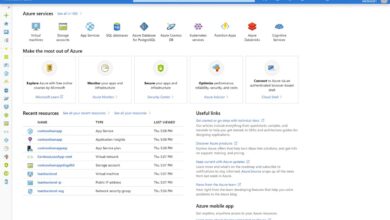
Windows Azure AD isn’t just another cloud tool—it’s the backbone of modern identity management. Whether you’re securing remote teams or streamlining app access, this platform delivers unmatched control and scalability with a seamless blend of security and simplicity.






What Is Windows Azure AD and Why It Matters

Windows Azure AD, officially known as Microsoft Entra ID (formerly Azure Active Directory), is Microsoft’s cloud-based identity and access management service. It enables organizations to securely manage user identities, control access to applications, and enforce security policies across hybrid and cloud environments. Unlike traditional on-premises Active Directory, Windows Azure AD is built for the cloud-first world, supporting modern authentication protocols like OAuth 2.0, OpenID Connect, and SAML.
Core Purpose of Windows Azure AD
The primary goal of Windows Azure AD is to provide centralized identity management. This means users can log in once and access multiple applications—both Microsoft and third-party—without needing separate credentials for each. This single sign-on (SSO) capability reduces password fatigue and enhances user productivity.
- Centralized user identity management
- Secure access to cloud and on-premises apps
- Integration with Microsoft 365, Azure, and thousands of SaaS apps
By leveraging Windows Azure AD, businesses can move away from siloed authentication systems and adopt a unified, secure, and scalable identity framework.
Differences Between On-Premises AD and Windows Azure AD
While both systems manage identities, they serve different architectures. On-premises Active Directory is designed for local networks and uses protocols like LDAP and Kerberos. In contrast, Windows Azure AD is cloud-native and relies on REST APIs and modern authentication standards.
- On-prem AD: Domain-based, uses Group Policy, requires physical servers
- Windows Azure AD: Tenant-based, policy-driven via cloud, supports mobile and remote access
“Azure AD is not a cloud version of Active Directory—it’s a different product designed for a different world.” — Microsoft Documentation
Understanding this distinction is crucial for IT teams planning digital transformation or hybrid deployments.
Key Features of Windows Azure AD
Windows Azure AD offers a robust suite of features that empower organizations to manage identities efficiently while maintaining high security standards. These features are designed to support modern workforces, cloud applications, and zero-trust security models.
Single Sign-On (SSO) Across Applications
One of the most impactful features of Windows Azure AD is its ability to provide seamless single sign-on. Users can access Microsoft 365, Salesforce, Dropbox, and thousands of other integrated apps with one set of credentials.
- Supports over 2,600 pre-integrated SaaS applications
- Custom app integration via SAML, OAuth, or password-based SSO
- Automatic provisioning and de-provisioning of user accounts
This reduces IT overhead and improves user experience by eliminating the need to remember multiple passwords. Learn more about app integration at Microsoft’s official guide.
Multi-Factor Authentication (MFA)
Security is paramount, and Windows Azure AD strengthens it with Multi-Factor Authentication. MFA requires users to verify their identity using at least two methods—something they know (password), something they have (phone or token), or something they are (biometrics).
- Available via phone call, text message, Microsoft Authenticator app, or FIDO2 security keys
- Can be enforced based on risk, location, or device compliance
- Reduces account compromise by up to 99.9%
According to Microsoft, enabling MFA blocks over 99.9% of account compromise attacks. This makes it one of the most effective security controls available today.
Conditional Access Policies
Conditional Access is a powerful feature that allows administrators to enforce access controls based on specific conditions. For example, you can require MFA when a user logs in from an untrusted location or block access from non-compliant devices.
- Conditions include user, device, location, application, and risk level
- Actions can be grant access (with or without MFA), block access, or require device compliance
- Integrated with Microsoft Defender for Cloud Apps and Identity Protection
This granular control supports zero-trust security principles by ensuring that access is never automatically trusted, even within the corporate network.
Windows Azure AD in Hybrid Environments
Many organizations operate in hybrid environments—where some resources remain on-premises while others move to the cloud. Windows Azure AD plays a critical role in bridging these two worlds, ensuring consistent identity management across both domains.
Azure AD Connect: Syncing On-Prem and Cloud Identities
Azure AD Connect is the tool that synchronizes user identities from on-premises Active Directory to Windows Azure AD. This allows users to have a single identity that works both locally and in the cloud.
- Enables password hash synchronization, pass-through authentication, or federation
- Supports group, contact, and device synchronization
- Provides health monitoring and alerting
By using Azure AD Connect, organizations can maintain their existing AD infrastructure while extending identity capabilities to the cloud. More details are available at Microsoft’s Azure AD Connect documentation.
Seamless Single Sign-On (SSO)
With Azure AD Connect, organizations can enable Seamless SSO, which allows users on corporate devices connected to the domain to automatically sign in to cloud applications without re-entering credentials.
- Uses Kerberos decryption keys stored in Azure AD
- Works with both password hash sync and pass-through authentication
- Enhances user experience without compromising security
This feature is especially valuable for large enterprises with thousands of employees who access cloud apps daily.
User and Group Management in Windows Azure AD
Effective identity management starts with organizing users and assigning appropriate access. Windows Azure AD provides flexible tools for managing users, groups, and roles at scale.
Creating and Managing Users
Administrators can create users manually, upload them in bulk via CSV, or automate provisioning through integration with HR systems like Workday.
- Assign licenses for Microsoft 365, Azure, or other services
- Set up password policies and expiration rules
- Enable self-service password reset (SSPR)
Self-Service Password Reset reduces helpdesk tickets by allowing users to reset their own passwords using trusted methods like email, phone, or security questions.
Role-Based Access Control (RBAC)
RBAC ensures that users have only the permissions they need to perform their jobs. Windows Azure AD includes built-in roles like Global Administrator, User Administrator, and Conditional Access Administrator.
- Supports custom roles for fine-grained permission control
- Role assignments can be scoped to specific applications or resources
- Privileged Identity Management (PIM) allows just-in-time (JIT) access for elevated roles
PIM is a game-changer for security, as it limits standing administrative privileges and requires approval and justification for temporary access.
Security and Threat Protection with Windows Azure AD
In today’s threat landscape, proactive security is non-negotiable. Windows Azure AD integrates advanced security features to detect, prevent, and respond to identity-based attacks.
Identity Protection and Risk Detection
Azure AD Identity Protection uses machine learning to detect risky sign-in behaviors and compromised user accounts. It analyzes factors like anonymous IP addresses, unfamiliar locations, and impossible travel.
- Identifies high-risk, medium-risk, and low-risk sign-ins
- Automatically blocks or flags suspicious activities
- Integrates with Conditional Access to enforce remediation actions
For example, if a user logs in from Nigeria and then from Canada within an hour, Identity Protection flags this as “impossible travel” and can require MFA or block access.
Identity Secure Score
The Identity Secure Score is a metric that helps organizations measure their security posture in Windows Azure AD. It provides recommendations to improve security, such as enabling MFA, configuring risk-based policies, or removing legacy authentication.
- Each recommendation has a risk impact and effort level
- Tracks progress over time
- Benchmarked against similar organizations
Organizations can use this score to prioritize security improvements and demonstrate compliance to auditors.
Application Integration and Enterprise App Management
Windows Azure AD acts as an identity broker between users and applications. This makes it a central hub for managing access to both cloud and on-premises applications.
Managing Enterprise Applications
Administrators can add, configure, and manage enterprise applications directly in the Azure portal. Each application can have its own set of users, groups, and access policies.
- Assign users and groups to specific apps
- Configure SSO methods and attribute mapping
- Monitor sign-in activity and troubleshoot issues
The enterprise app gallery includes popular tools like Salesforce, ServiceNow, and Zoom, making integration fast and reliable.
Custom Application Integration
For applications not in the gallery, Windows Azure AD supports custom integration using standards like SAML 2.0, OpenID Connect, or password-based SSO.
- Upload metadata or configure manually
- Map user attributes to application roles
- Enable automatic user provisioning via SCIM (System for Cross-domain Identity Management)
This flexibility ensures that even legacy or in-house apps can benefit from centralized identity management.
Monitoring, Reporting, and Compliance
Visibility into user activity and system health is essential for security, troubleshooting, and compliance. Windows Azure AD provides comprehensive logging and reporting tools.
Audit Logs and Sign-In Logs
Audit logs track administrative actions like user creation, role changes, and app assignments. Sign-in logs provide detailed information about user authentication attempts, including success/failure, IP address, and device information.
- Logs can be exported to Azure Monitor, Log Analytics, or SIEM tools
- Retention period up to 30 days for free tier, 90+ days with Premium
- Supports advanced filtering and query capabilities
These logs are invaluable during security investigations or compliance audits.
Compliance and Certifications
Windows Azure AD complies with major industry standards, including GDPR, HIPAA, ISO 27001, SOC 1/2, and FedRAMP.
- Provides data residency options for global organizations
- Supports data encryption at rest and in transit
- Offers compliance manager to assess and track regulatory requirements
This makes it a trusted choice for regulated industries like healthcare, finance, and government.
Windows Azure AD Pricing and Licensing Tiers
Windows Azure AD is available in four editions: Free, Office 365 apps, Azure AD P1, and Azure AD P2. Each tier offers increasing levels of functionality and security.
Free Edition
The Free edition is included with any Azure subscription and provides basic identity and access management features.
- User and group management
- Basic SSO to SaaS apps
- 90-day audit log retention
It’s suitable for small businesses or organizations just starting with cloud identity.
Premium P1 and P2
Azure AD P1 and P2 add advanced features like Conditional Access, Identity Protection, Privileged Identity Management, and advanced reporting.
- P1: Focuses on access management and hybrid identity
- P2: Adds identity protection and risk-based policies
- Both support B2B and B2C collaboration
Pricing is per user per month, and many features are also available through Microsoft 365 licenses. More details can be found at Microsoft’s pricing page.
Best Practices for Deploying Windows Azure AD
Successfully implementing Windows Azure AD requires careful planning and adherence to best practices. These guidelines help ensure security, scalability, and user adoption.
Start with a Clear Identity Strategy
Define your identity model—will you use cloud-only, hybrid, or federation? Choose the right authentication method (password hash sync, pass-through, or AD FS) based on your infrastructure and security needs.
- Assess current AD health before migration
- Plan for attribute flow and filtering
- Test synchronization in a pilot environment
A well-thought-out strategy prevents issues during rollout and ensures long-term success.
Enforce Multi-Factor Authentication
MFA should be mandatory for all users, especially administrators. Start with a pilot group, educate users, and gradually enforce it organization-wide.
- Use the Microsoft Authenticator app for better user experience
- Enable fraud alerts to report suspicious prompts
- Combine MFA with Conditional Access for adaptive security
According to Microsoft, 99.9% of account compromises can be prevented with MFA—making it the single most effective security measure.
Regularly Review Access and Permissions
Over time, users accumulate unnecessary access. Conduct regular access reviews to ensure users only have the permissions they need.
- Use Access Reviews to automate approval workflows
- Set up expiration policies for guest users and temporary roles
- Integrate with HR systems to automate offboarding
This reduces the risk of insider threats and ensures compliance with least-privilege principles.
What is Windows Azure AD used for?
Windows Azure AD is used for managing user identities, enabling single sign-on to applications, enforcing security policies, and protecting against identity-based threats in cloud and hybrid environments.
Is Windows Azure AD the same as Active Directory?
No, Windows Azure AD is not the same as on-premises Active Directory. While both manage identities, Azure AD is cloud-native, uses modern authentication protocols, and is designed for cloud applications and remote access.
How do I enable MFA in Windows Azure AD?
MFA can be enabled in the Azure portal under Azure AD > Security > Multi-Factor Authentication. Administrators can enable it for users individually or enforce it via Conditional Access policies.
Can Windows Azure AD integrate with on-premises applications?
Yes, Windows Azure AD can integrate with on-premises applications using Azure AD Application Proxy, which securely publishes internal apps to the internet with single sign-on and pre-authentication.
What is the difference between Azure AD P1 and P2?
Azure AD P1 includes features like Conditional Access and hybrid identity, while P2 adds Identity Protection, Risky Sign-Ins detection, and Privileged Identity Management for just-in-time access.
Windows Azure AD has evolved into a cornerstone of modern identity and access management. From seamless single sign-on and robust MFA to advanced threat detection and compliance reporting, it offers a comprehensive solution for securing digital identities in a cloud-first world. Whether you’re a small business or a global enterprise, leveraging its full capabilities—especially through best practices like enforcing MFA, using Conditional Access, and conducting access reviews—can dramatically improve your security posture and operational efficiency. As cyber threats grow more sophisticated, investing in a strong identity foundation with Windows Azure AD isn’t just smart—it’s essential.
Recommended for you 👇
Further Reading: